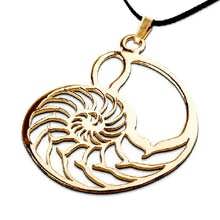
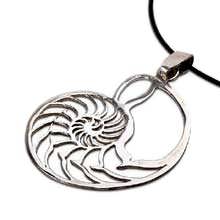
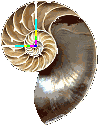
| The Nautilus (in Greek 'sailor') has survived relatively unchanged for 450 million years and is one of the only shells to survive from the Dinosaurs era. This is why the Nautilus is sometimes referred to as a "living fossil". The Nautilus is a nocturnal creature and spends most of its time in the great depths of the ocean. The Nautilus shell, lined with mother-of-pearl, grows into increasingly larger chambers throughout its life and so has become a symbol for expansion and renewal. |
 |
 |
 |
| Nautilus gold |
Nautilus silver |
 |
 |
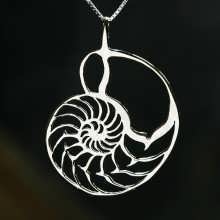
Nautilus Jewelry Pendant SilverPrice: $159 USD |
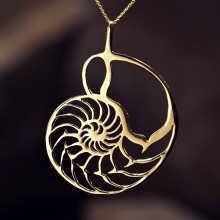
Nautilus Jewelry Pendant GoldPrice: $1,189 USD |
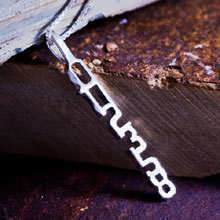
Fibonacci Pendant SilverPrice: $134 USD |
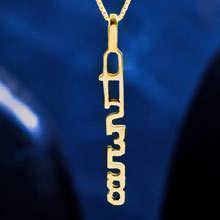
Fibonacci Pendant GoldPrice: $499 USD |
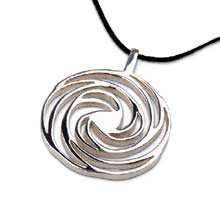
Golden Spiral Silver SmallPrice: $155 USD |
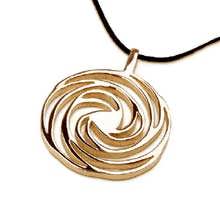
Golden Spiral Gold SmallPrice: $1,373 USD |
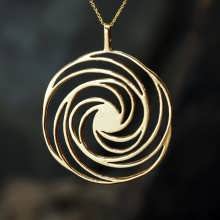
Golden Spiral GoldPrice: $1,829 USD |
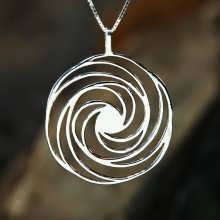
Golden Spiral SilverPrice: $167 USD |
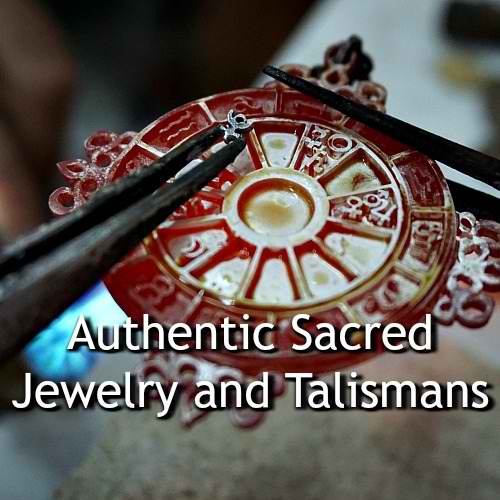
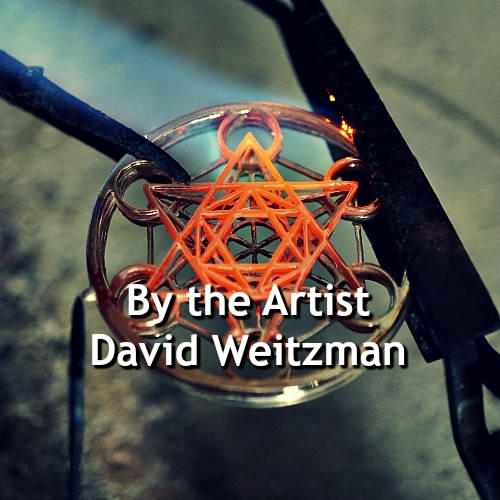
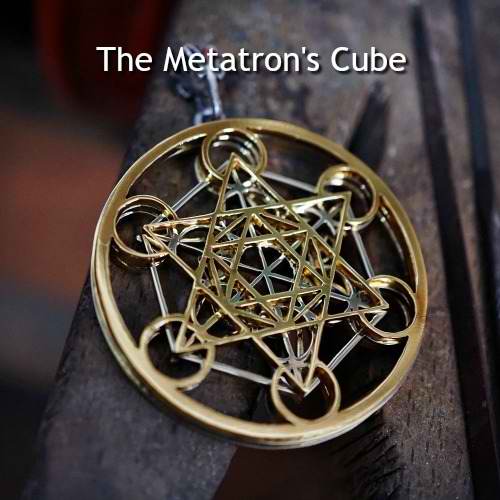
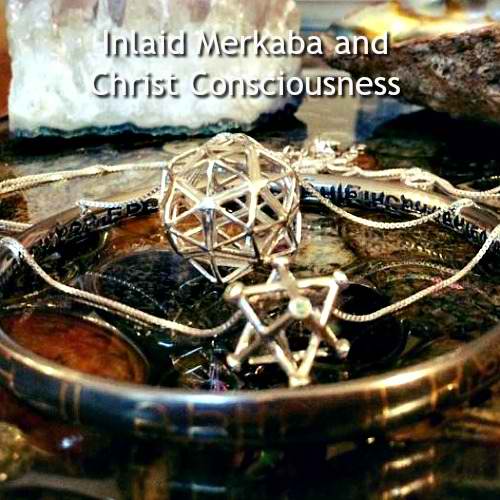
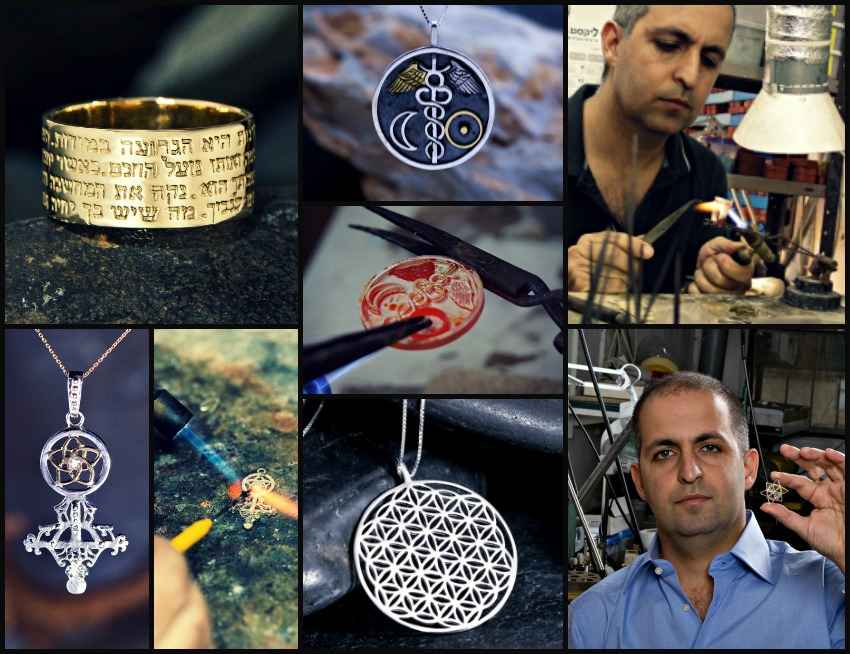
The jewelry artist David Weitzman combines ancient and sacred knowledge into a unique line of jewelry designed to bring people both beauty and inspiration. David's artwork harnesses the power of spiritual symbols and sacred geometry from around the world to bring those wearing this sacred jewelry happiness, vitality, excitement, and love.
» Be the first to know about NEW Designs.
» Explore behind-the-scenes stories and media from each creation.
» Exclusive sales and special offers.
Email: [email protected]
US Phone: 1-888-215-6036
Calls are redirected to Israel. Time in Israel: 11:07
Phone: 052-7457224 
Mailing Address: Flowers of Life Jewels LTD P.O. box 633 Ha-Lamed Hei St. Givataim 5310601 Israel
Your message was sent successfully!
We will be in touch as soon as possible.
Something went wrong, try refreshing and submitting the form again.
Ka Gold Jewelry Features David Weitzman Spiritual Jewelry Artwork.
David's Jewelry harness the power of spiritual symbols and sacred geometry to bring those wearing them happiness, vitality, excitement and love. We invite you to join us on a journey full of Harmony, Beauty, ancient wisdom and symbolism.
Found us on Instagram? You can find a specific design by using our Instagram posts Related Designs System.
To Find a Design: